What Biohacking Is and How It Is Used to Support Health
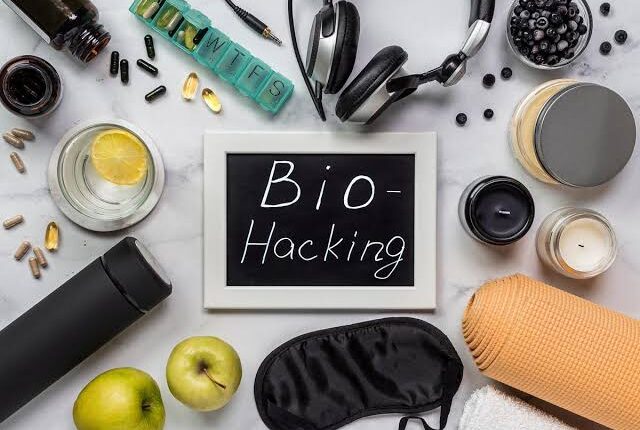
Biohacking is a systematic approach to lifestyle in which a person tries to better understand how their body works and support it through sleep, nutrition, physical activity, stress management, and medical examinations. Today, such programs are also offered by specialized clinics: more information about modern diagnostic and recovery methods can be found on the website https://refreshclinic.ae, where various areas for supporting health and well-being are presented. The main goal of responsible biohacking is not to experiment with the body, but to notice changes in time and adjust habits based on objective data.
What Principles Biohacking Is Based On
Modern biohacking begins not with a large number of supplements, but with an assessment of basic health indicators. A doctor may take into account age, level of physical activity, sleep quality, dietary habits, body weight, blood pressure, and laboratory test results.
Most often, attention is paid to the following areas:
- sleep duration and quality;
- the level of daily physical activity;
- nutrition and hydration;
- the condition of the cardiovascular system;
- stress levels and recovery of the body.
For most adults, the recommended sleep duration is approximately 7–9 hours per day. At the same time, not only the number of hours matters, but also the regularity of the schedule. Constant sleep deprivation can affect concentration, appetite, mood, and the body’s ability to recover.
What Indicators Can Be Monitored
One of the features of biohacking is the use of measurable data. A person does not rely only on subjective well-being, but compares it with specific indicators.
Depending on the state of health, a doctor may recommend monitoring:
- blood pressure and heart rate;
- glucose levels and lipid metabolism indicators;
- vitamin and mineral levels;
- body weight and the ratio of muscle to fat tissue;
- certain hormonal indicators when medically indicated.
For example, normal blood pressure in many healthy adults is around 120/80 mmHg, although individual values may differ. Therefore, measurement results should be evaluated not separately, but together with the person’s medical history and overall condition.
How Biohacking Is Used in Everyday Life
Supporting health usually does not require completely changing your usual routine. Gradually introducing changes that a person can maintain for months and years is often more useful.
A practical approach may include:
- a consistent sleep and wake-up schedule;
- regular walking and strength training;
- a sufficient amount of protein, vegetables, and other whole foods;
- limiting excess sugar and highly processed foods;
- periods of rest without constant workload and gadgets.
Adults are generally recommended to get at least 150 minutes of moderate physical activity per week. This may include brisk walking, swimming, cycling, or other suitable forms of exercise. Even a small increase in activity is especially useful for people who spend most of the working day sitting.
Biohacking can be a useful tool for people who want to better understand the condition of their body and pay more attention to prevention. Its foundation is quite simple: sufficient sleep, movement, balanced nutrition, stress management, and reasonable monitoring of health indicators. The fewer random experiments there are and the more decisions are based on real data, the safer and more practical this approach becomes.
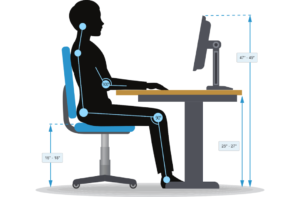
The Influence of Ergonomics

Ergonomic Principles